
How should a concrete surface be cared for?
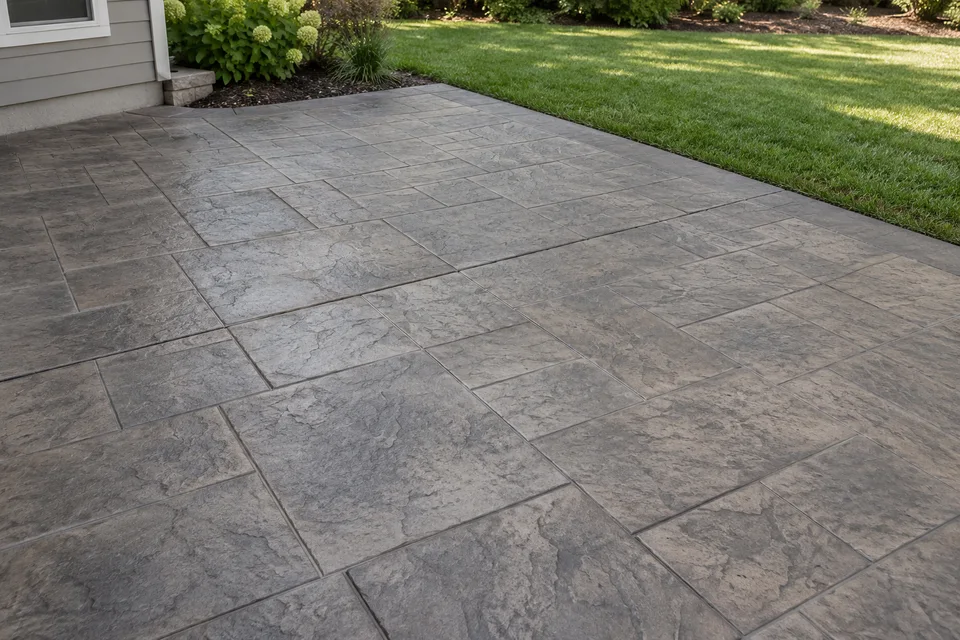
Use cleaning and maintenance advice from the installer or product provider for the specific surface. A broom finish, stamped texture and colored concrete may call for different products or methods.
Watch changes in level, drainage and movement rather than judging all cracks alike. A crack that stays closed is different from a slab that is moving or holding water.
Is sealing always necessary or protective?
Later sealer application is a separate milestone from curing. Ask the installer or product provider whether a sealer suits the surface, the finish and the way the slab is used.
Do not assume universal sealant protection, a fixed lifespan or one correct schedule. Product instructions and local conditions matter.
What can surface scaling indicate?
Surface scaling can involve moisture, freezing and thawing, deicers, mixture, finishing and curing. Appropriate installation and care reduce exposure risk without guaranteeing a defect-free surface.
A photo alone cannot diagnose the cause. If scaling, flaking or repeated water problems appear, ask for a qualified assessment instead of guessing from the surface.
What care information should you keep?
Keep these records with your project paperwork:
- Installer or product care advice for the specific surface.
- The project-specific protection and use schedule.
- The written scope, including restoration and exclusions.
- Dates of sealing, cleaning or other maintenance.
- Notes on water, movement or surface changes you notice.
- Questions to ask before a repair or replacement decision.
A FEW MORE ANSWERS
Questions before you get started
Does every concrete surface need sealer?
Not necessarily. Sealer suitability depends on the surface, finish, use and product. Ask the installer or product provider before applying one.
Can a crack be judged from a photo?
A photo is not enough to diagnose cause. Note changes in level, drainage and movement, then ask for qualified assessment if the slab is moving or holding water.